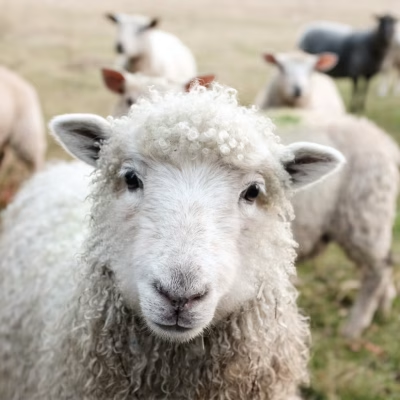
God is described as a shepherd coming to take care of the needs of the sheep. Jesus describes himself as the Good Shepherd taking care of the flock. We are cared for and tended to by a loving shepherd, where we are led to green pastures, still waters, and protected from our enemies.
In her book, The Wisdom of Sheep, Rosamund Young talks about her life on the farm as a shepherd. She has watched and learned about sheep from tending to their needs. We have many assumptions about sheep, which she argues, are not accurate! Sheep are intelligent, resilient, and have personalities.
One aspect of sheep, which we might not assume to true, is that even the unfriendliest sheep, she says, will ask for help. They are aware of their needs, and they are not too proud to seek help. They know the shepherd cares for them, and they will seek the shepherd’s assistance.
As we are all aware, asking for help is not easy! It takes bravery and courage to seek assistance from others, and from God. It requires humility and vulnerability, which are even harder to muster when we are in need. But sheep know when it is time to ask for this help! We can learn from them.
There are several statements, which are hard to say, but we do well to say them freely. We should not hesitate to utter them, even when it is hard to do so. We need to constantly learn how to say freely:
“I appreciate you.”
“I love you.”
“I am sorry.”
“I need help.”
These four sentences are always worthwhile, and they foster meaning, hope, and community in our lives!
We can learn from sheep and freely say, “I need help.” We can open ourselves up to the kindness of others and the love of God through these words.
– Tripp